The short answer
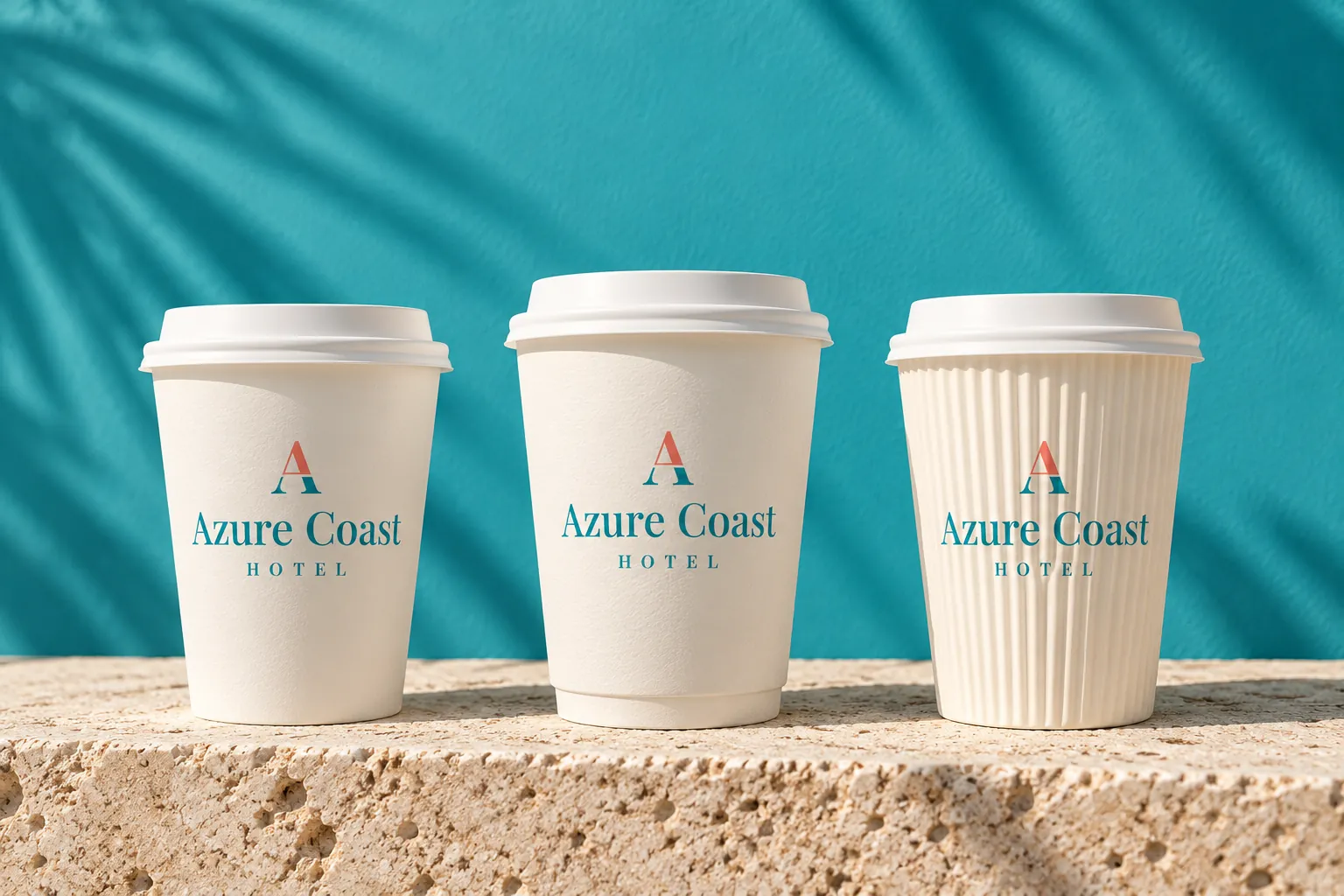
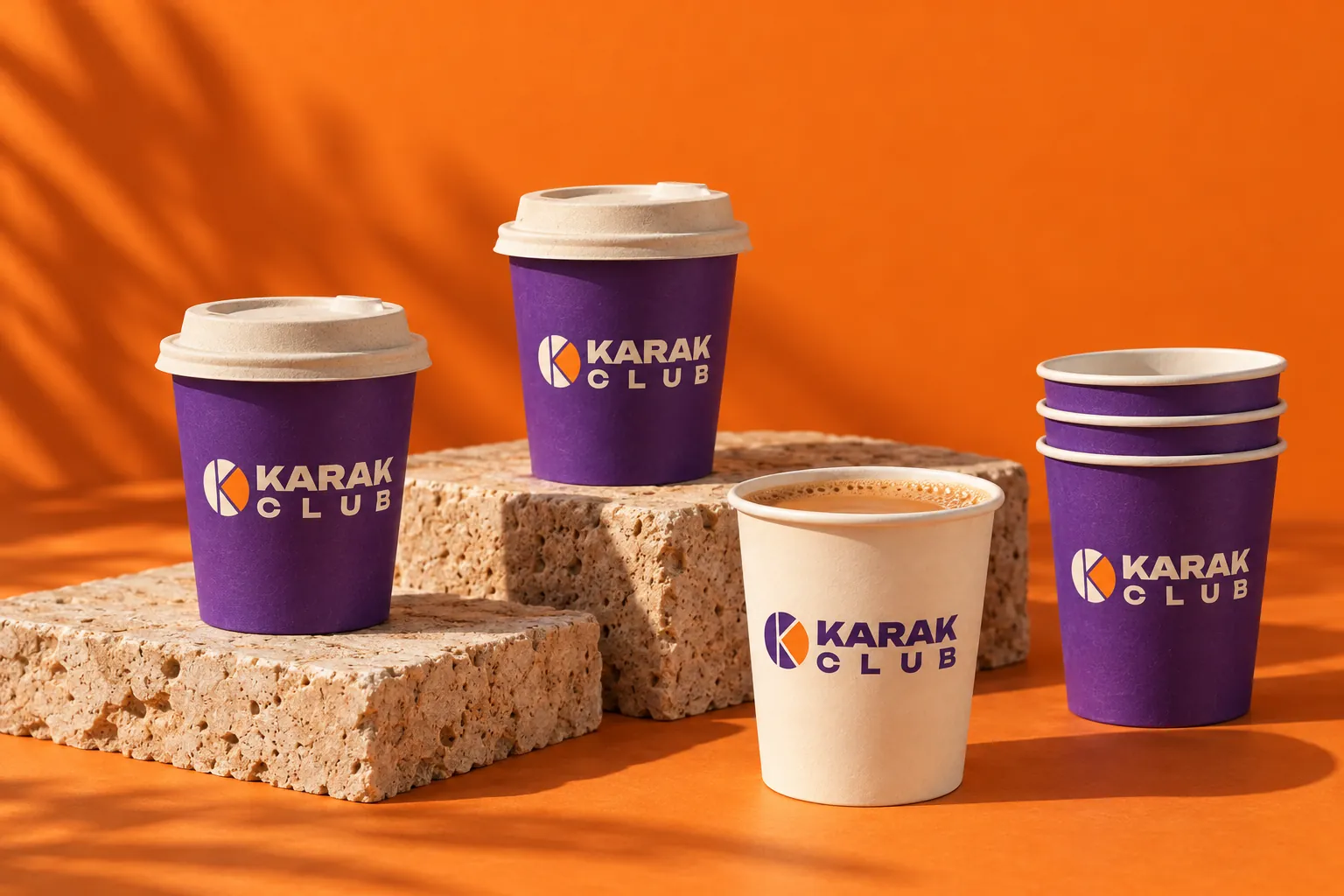
No. Paper cups are not banned in the UAE. From 1 January 2026 the federal ban covers single-use plastic beverage cups and their lids, and styrofoam cups were already banned in Dubai and Abu Dhabi. A paper cup is still legal to sell, but the plastic lid that often sits on it is not.
That is the answer we give cafés every week. The follow-up questions are where it gets interesting: most paper cups have a thin plastic lining, so does that count? What do you put on top instead of a plastic lid? And what about iced drinks? This post works through each one.
What is banned and what is not
| Item | Status | Since |
|---|---|---|
| Paper cup (single, double or ripple wall) | Not on the banned lists | n/a |
| Plastic beverage cup (PET, PP, PS) | Banned | 1 Jan 2026 federal and Dubai |
| Plastic cup lid | Banned | 1 Jan 2026 federal and Dubai |
| Styrofoam (EPS) cup | Banned | 1 Jun 2024 Abu Dhabi; 1 Jan 2025 Dubai; 1 Jan 2026 federal via styrofoam rules |
| Plastic straw and stirrer | Banned | 1 Jan 2025 Dubai; 1 Jan 2026 federal |
| Paper sleeve | Not on the banned lists | n/a |
| Paper or board cup carrier | Not on the banned lists | n/a |
Are paper cups lined with plastic?
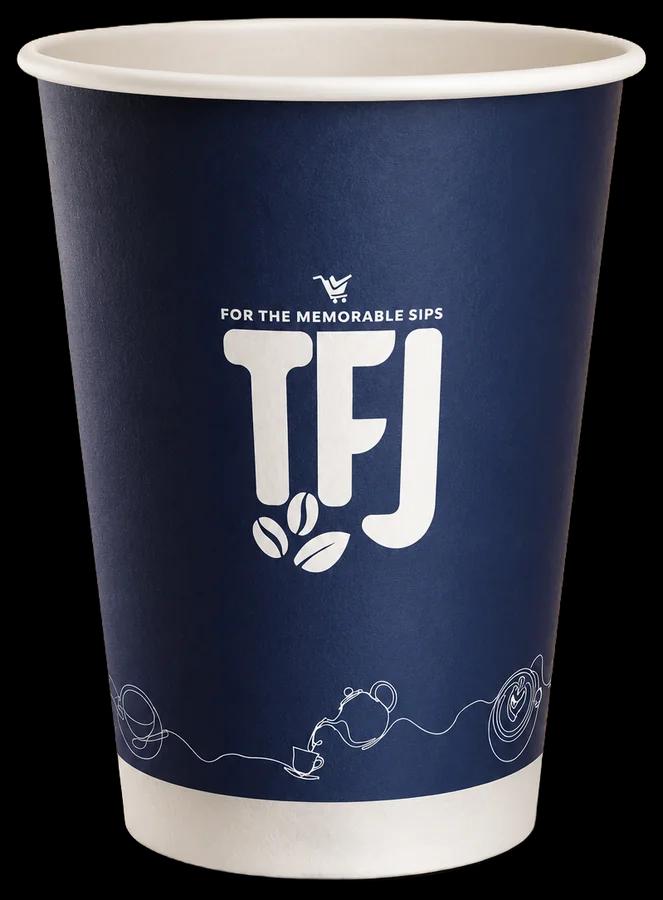
Most are. A hot paper cup is made from food-grade paperboard with a thin coating on the inside, so the drink does not soak into the fiber. The most common coating is polyethylene (PE), applied at around 15 to 18 grams per square meter on a cup board of roughly 230 to 300 gsm. That puts the plastic content of a typical cup at a small fraction of its weight, but it is there.
The published federal list describes the banned items as plastic beverage cups and lids. A paperboard cup with a barrier coating is a paper cup in ordinary language and in how the industry classifies it. As of our last check, neither MOCCAE nor Dubai Municipality had published guidance that singles out PE-lined paper cups as banned. We have not seen enforcement against them either.
That is not the same as a written exemption. If the lining question matters to your business, for example because you supply a government entity with strict procurement rules, ask MOCCAE directly and keep the answer on file. In the meantime, alternative barriers exist and we cover them below.
Lining options for paper cups
These are the barrier types available on the market. Availability and price vary by size and supplier.
PE (polyethylene) coating
The industry standard. Reliable with hot drinks, cheapest, and widely available in every size. Recyclable only where a facility can separate the coating from the fiber.
PLA (polylactic acid) coating
A plant-based plastic. Coverage of MOCCAE's 2026 announcement reported that plant-based PLA products are recognized as alternatives under the ban. PLA is industrially compostable, which needs a commercial composting facility to break down.
Aqueous or dispersion barrier
A water-based coating applied in a thin layer. Marketed as easier to repulp in paper recycling. Performance with very hot drinks and long hold times varies between products, so test before you switch a whole range.
What goes on top: lids after the ban
Lids are where cafés felt the 2026 change most. The familiar white PS sip lid is a plastic lid, and plastic lids are on the list. The swaps fall into three groups.
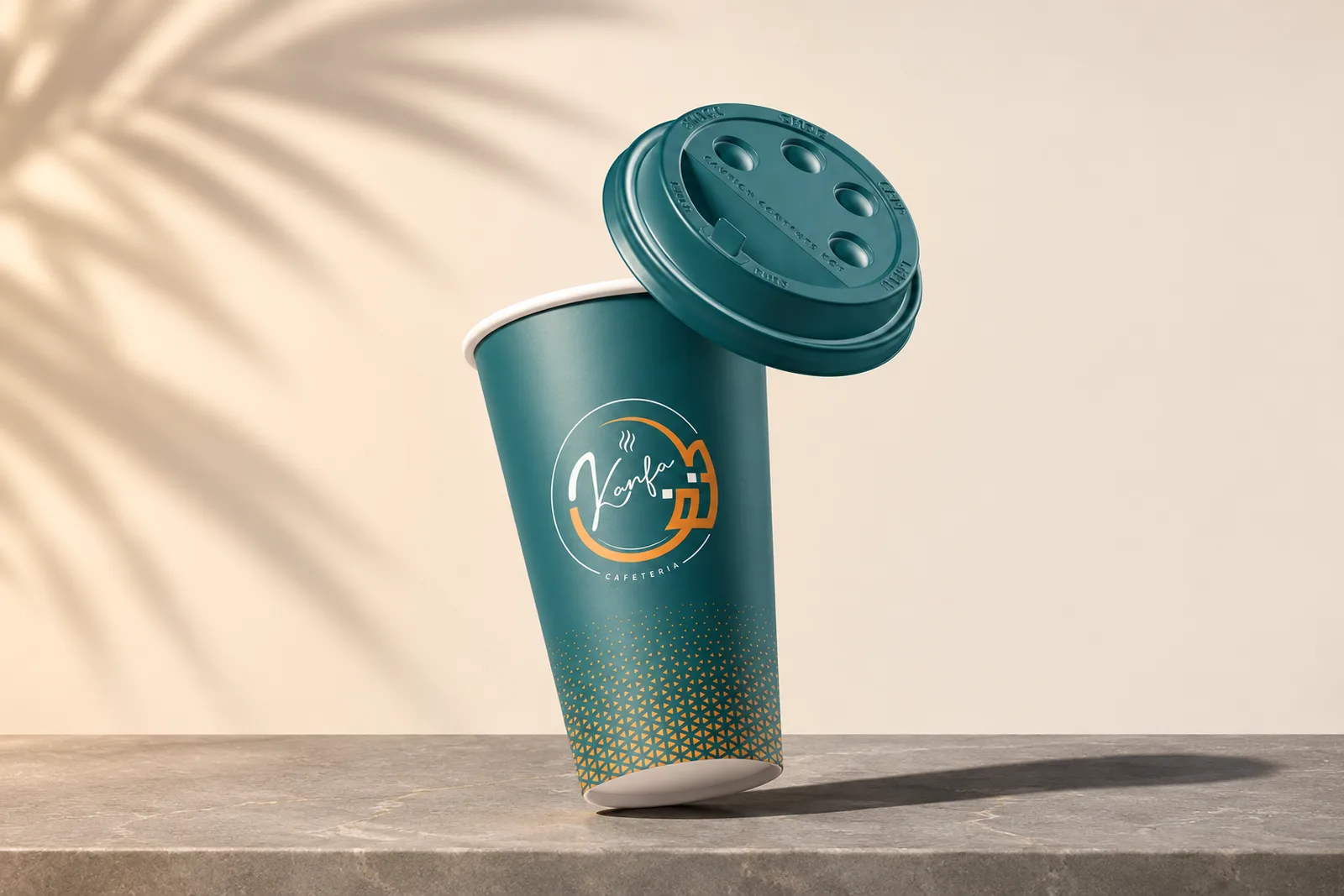
Molded fiber lids are pressed from wet pulp, often bagasse (sugarcane fiber) or wood pulp. They feel solid, handle hot drinks well and look clearly paper-based. Paper lids are folded and glued from board, similar to the cup itself, and work best on cups that are drunk in store or close by. Plant-based lids in CPLA (crystallised PLA, which tolerates heat better than standard PLA) look and feel closest to the old plastic lid.
The practical issue with any lid is fit. Lids are matched to the rim diameter of the cup, not the oz size. An 8oz cup usually takes an 80 mm lid, while 10, 12 and 16oz cups often share a 90 mm rim. Different manufacturers' cups vary by a millimeter or two, which is enough to make a lid pop off in a delivery bag. When you change lids, order samples of both cup and lid and test them together with a hot drink, upside down, over a sink.
Iced coffee and cold drinks
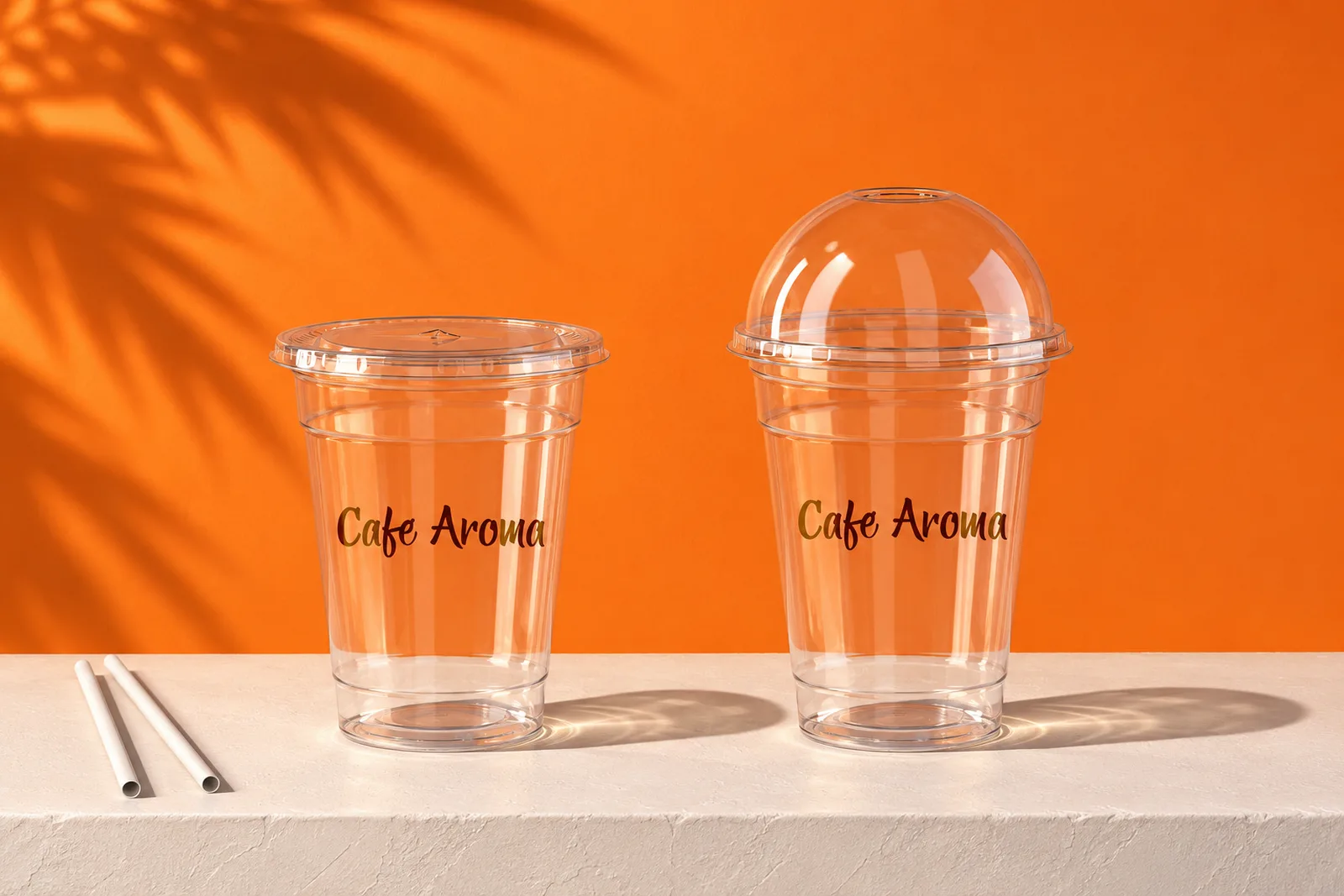
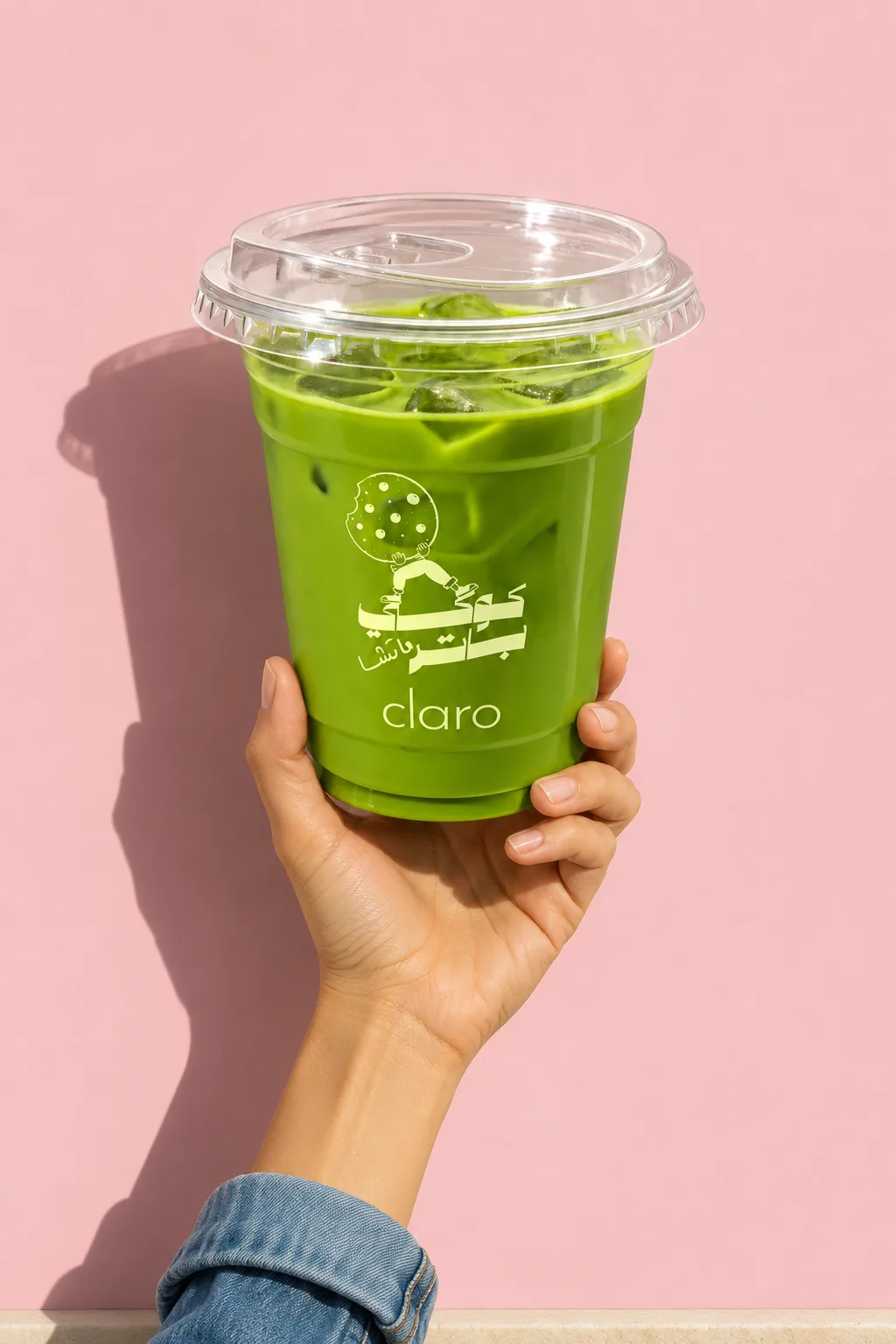
Clear plastic cold cups are banned from 2026, which pushed many cafés to rethink iced drinks. Paper cold cups exist: they use board coated on both sides, because condensation on the outside would otherwise soften the cup within minutes. They are opaque, so you lose the look of layered drinks, but you gain a full print surface. PLA clear cups are the other route and keep the visual appeal.
If you switch cold drinks to paper, check the lid and straw together. A paper straw needs a lid hole that grips it, and thick shakes need a wider straw.
Are paper cups better than plastic?
It depends which question you are asking. On compliance, yes: paper cups are allowed and plastic cups are not. On end of life, a paper cup is mostly renewable fiber, but the lining complicates recycling, and the UAE's recycling routes for used cups are still limited. On branding, paper prints better. We print cup blanks on sheet-fed offset presses, which gives sharper detail and closer brand colors than the basic flexo printing found on many imported stock cups.
The honest summary: a paper cup with a fiber lid is the compliant default for hot drinks in the UAE in 2026, and it is a better canvas for your brand. It is not a zero-impact product, and you should avoid printing claims on it that you cannot support.
Switching checklist for cafés
Audit cups, lids, straws and stirrers separately
A compliant cup with a non-compliant lid still puts a banned item in your customer's hand.
Confirm rim diameters
Measure the outside rim of each cup size or ask your supplier for it, then order lids to match.
Test with your hottest drink
Fill to the line with a drink at serving temperature, fit the lid and check for leaks and softening after 20 minutes.
Decide on cold drinks
Choose double-coated paper cold cups or PLA clear cups, and pick straws that match the lid opening.
Plan the printed version
Once sizes and lids are settled, brief your printer. Printed cups take longer than plain stock, so order before you run out.
Products in this guide
GPP Production Team
Print & packaging specialists, Ajman
Written by the people who run our presses and finishing lines in Ajman, and checked against current UAE rules where regulation is involved. Published 3 Sept 2026; last reviewed 10 Oct 2026.